In the mid-1980s, Mauritius was in the midst of an "Economic Miracle"—transitioning from a sugar-dependent economy into a hub for textiles and tourism. Yet, this prosperity was not equally distributed. In marginalized Creole suburbs like Roche-Bois, Port-Louis, youth faced systemic exclusion, poverty, and unemployment. It was in this crucible of hardship that Seggae was born—a musical revolution that would become the non-official memory of the Mauritian working class.
The Anatomy of a Fusion
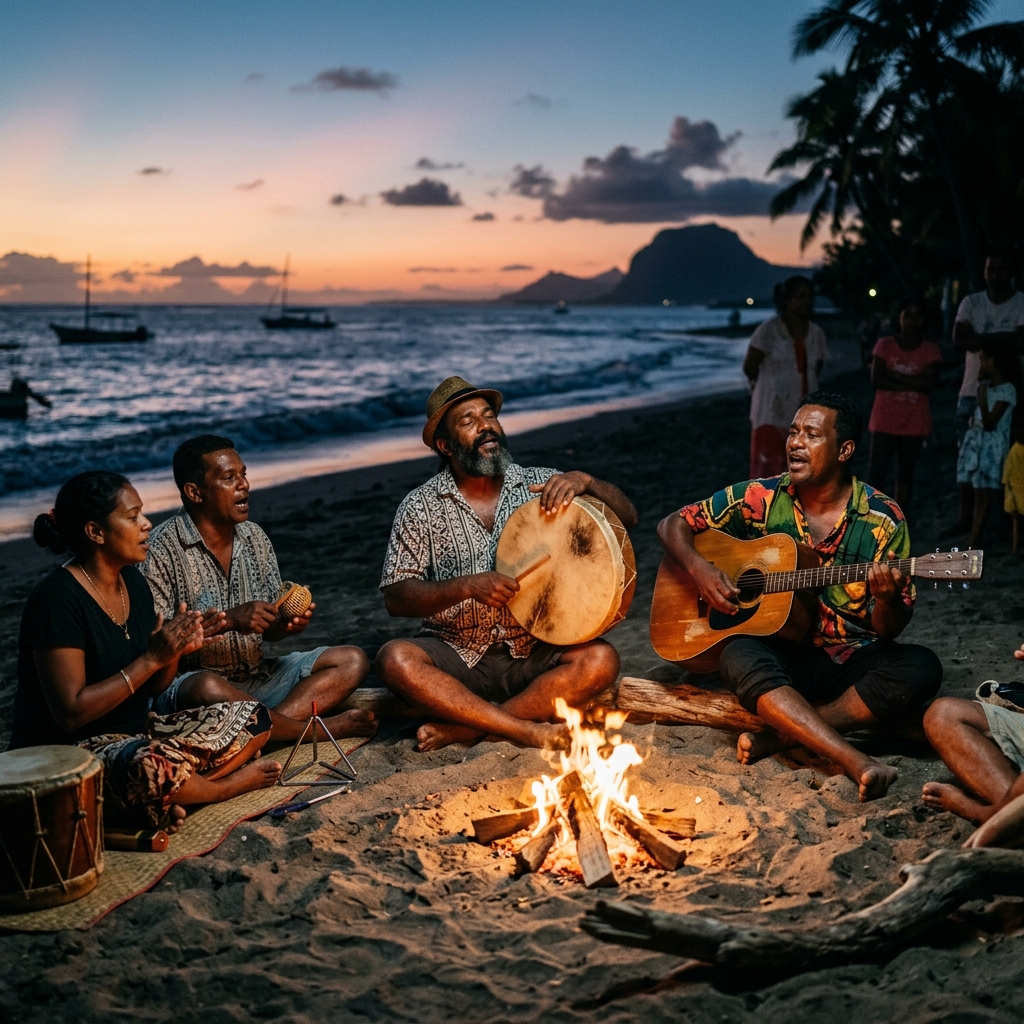
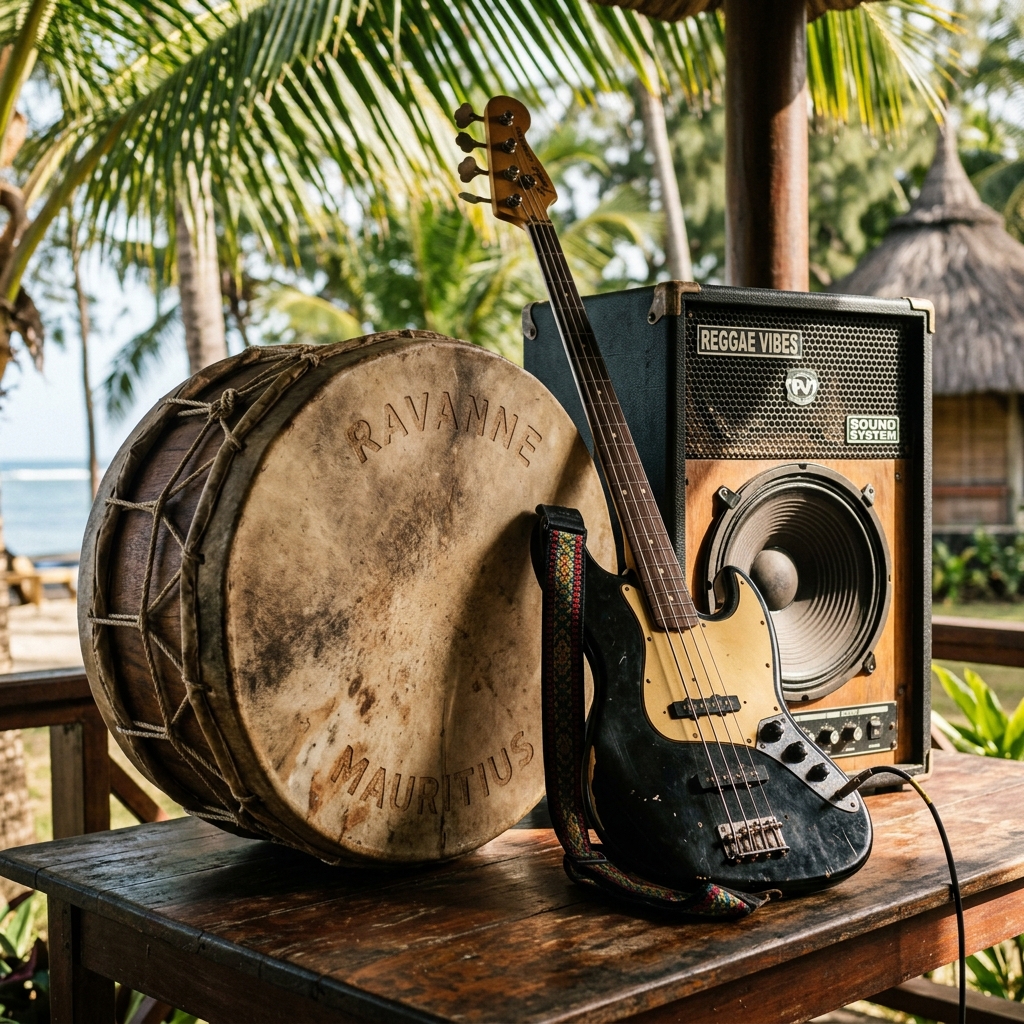
Seggae is both a linguistic and musical portmanteau: blending the ancestral Sega with Jamaican Reggae. Sega, with its origins in slavery, brought the driving, three-count rhythm of the ravanne drum, the maravanne, and the Creole language. Reggae brought heavy, melodic basslines, slower tempos, off-beat guitar skanks, and a Rastafarian consciousness.
The genre was invented by Joseph Réginald Topize, better known as Kaya (born in 1960 in Roche-Bois). He formed the band Racinetatane, a name paying homage to Ratsitatane, a Malagasy prince exiled to Mauritius who became an icon of anti-colonial resistance. By singing strictly in Mauritian Creole, Kaya and his peers denounced racism and inequality, giving a powerful voice to communities left behind by the economic boom.
The Pioneers of Seggae
While Kaya is undeniably the father of Seggae, the genre was built by a collective of visionary artists who established its foundations throughout the late 1980s and 1990s. (Before Kaya's massive success, the group Natir Chamarel had already explored reggae in Creole, laying crucial groundwork).
| Artist / Group | Key Album | Year | Contribution to Seggae |
|---|---|---|---|
| Kaya & Racinetatane | Seggae Mo Lamizik | 1989 | The foundational album that officially cemented the genre, supported by producer Percy Yip Tong. Followed by classics like Seggae Man (1992). |
| Ras Natty Baby | Nuvel Vision | 1990 | Joseph Nicolas Émilien developed his sound parallel to Kaya, bringing a distinctive Rodriguan influence to early seggae. |
| Blakkayo | Tchek to Life | 2000 | Released in the wake of the 1999 riots, Jean Clario Gateaux became the revolutionary voice of the next generation of Creole youth. |
| OSB Crew | Rebel Musik | 1999 | Modernized and internationalized Mauritian seggae and reggae, blending it with dancehall and ragga elements. |
1999: A Tragic Milestone and National Upheaval
Seggae's history is inextricably linked to one of the darkest moments in modern Mauritian history. On 18 February 1999, Kaya was arrested after smoking a joint at a decriminalization rally at Edward VII Square in Rose-Hill. On 21 February, he was found dead in his cell at the Alcatraz prison in Port-Louis. The official police narrative ruled his death a self-inflicted injury, but an independent family autopsy documented signs of a severe beating, a conclusion supported by Amnesty International.
Kaya's death triggered massive, unprecedented riots across Mauritius from 21 to 25 February. Four civilians (including fellow musician Berger Agathe, killed by a rubber bullet) and one police officer were killed, and roughly 250 prisoners escaped custody. The riots exposed the deep racial and economic fractures that Seggae had been warning about for a decade.
Seggae Today: A Pillar of Culture
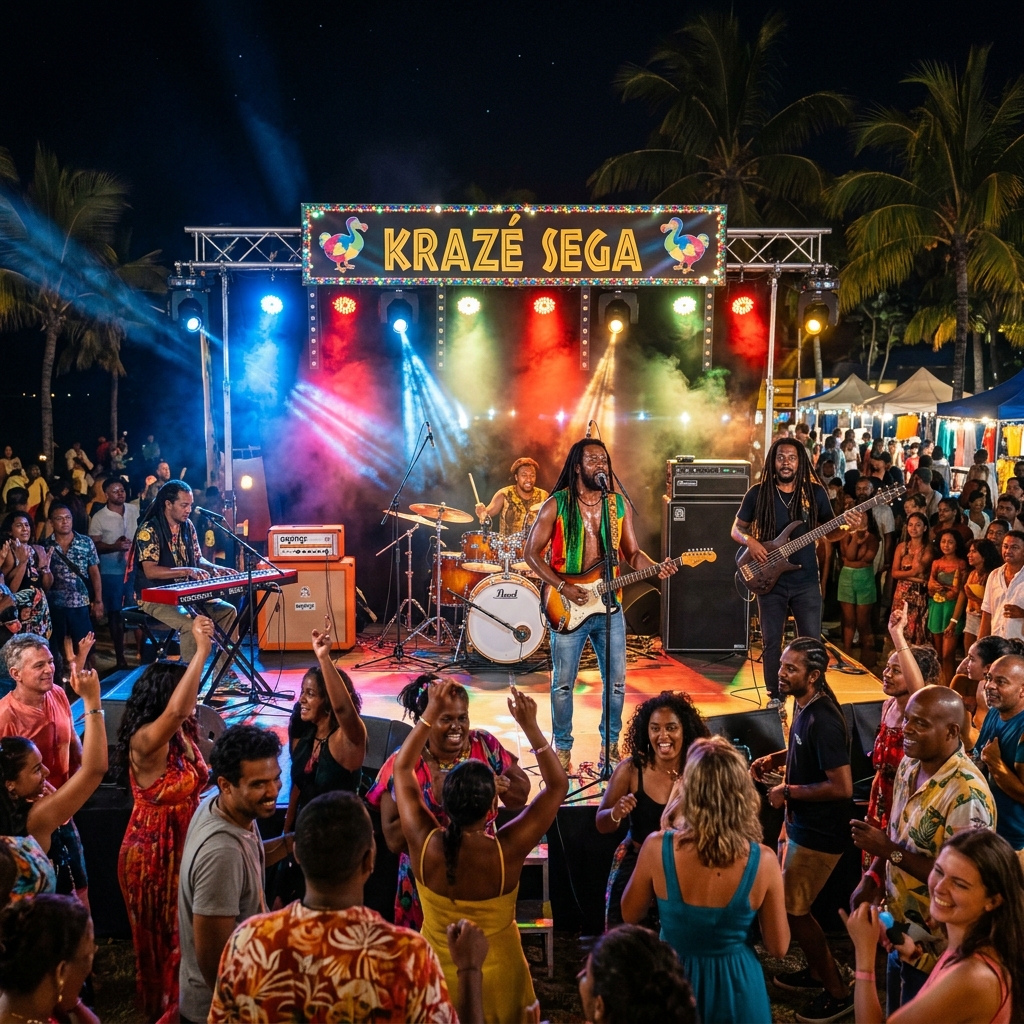
Today, Seggae is no longer underground. It is officially recognized as a pillar of Mauritian cultural heritage, regularly celebrated at major events like the Festival International Kréol (held every December). A new generation of artists, such as The Prophecy and Natty Jah, carry the torch, ensuring the genre evolves while maintaining its conscious roots.
The Global Streaming Evolution of Seggae
While historically marginalized by global platforms, the digitisation of Mauritian music has allowed Seggae to reach the diaspora and international reggae fans. The chart below illustrates the growth of Seggae streaming metrics and digital catalog availability over the last decade.
Experience the history and future of Seggae on Ravanova Music. Download the free app on iOS or Android and subscribe to your favourite Mauritian artists.
Related reading: Discover how seggae evolved from the ancestral sega music, dive into the history of the ravanne drum, or meet the Mauritian musicians who defined the island's sound.